
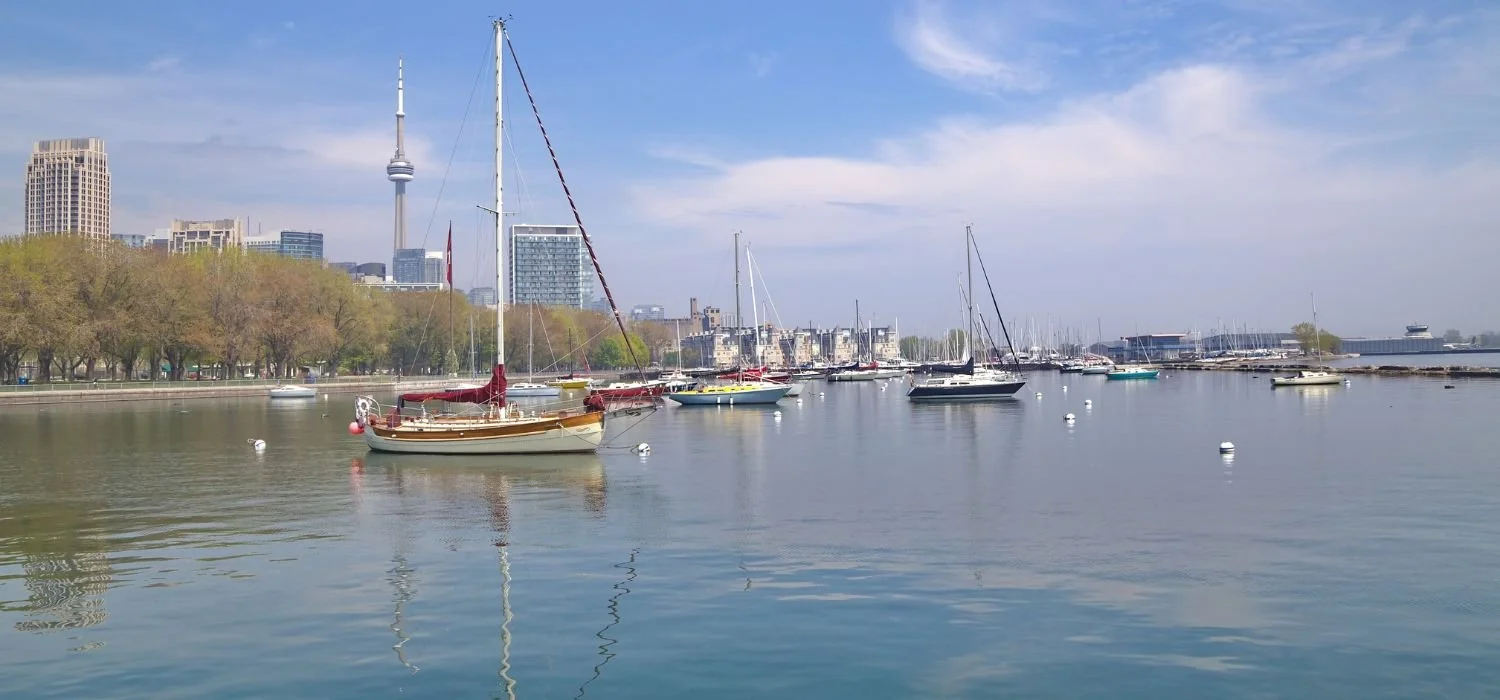
Toronto’s waterfront is more than a beautiful place to walk, cycle, sit, or watch the light move across the lake.
It is one of the city’s most important shared spaces. It is a place of water, wildlife, migration, recreation, memory, and community. It is also part of a living Great Lakes system that sustains us in ways we do not always see.
That is why the current conversation about the future of Billy Bishop Toronto City Airport matters.
The airport, located on the Toronto Islands, is once again at the centre of public discussion as governments consider what its future could look like. One of the major questions now being raised is whether the airport should be expanded and the runways extended to allow commercial jet aircraft and related infrastructure changes.
For many people, this is not only a transportation issue. It is also a question about water, climate, health, noise, public space, traffic, biodiversity, and the kind of waterfront we want to protect for the future.
At Water Docs, we believe people make better environmental decisions when they have access to clear information and meaningful ways to take part. Here is a simple overview of what is happening, what some local organizations are concerned about, and how you can add your voice.
So, what’s the latest?
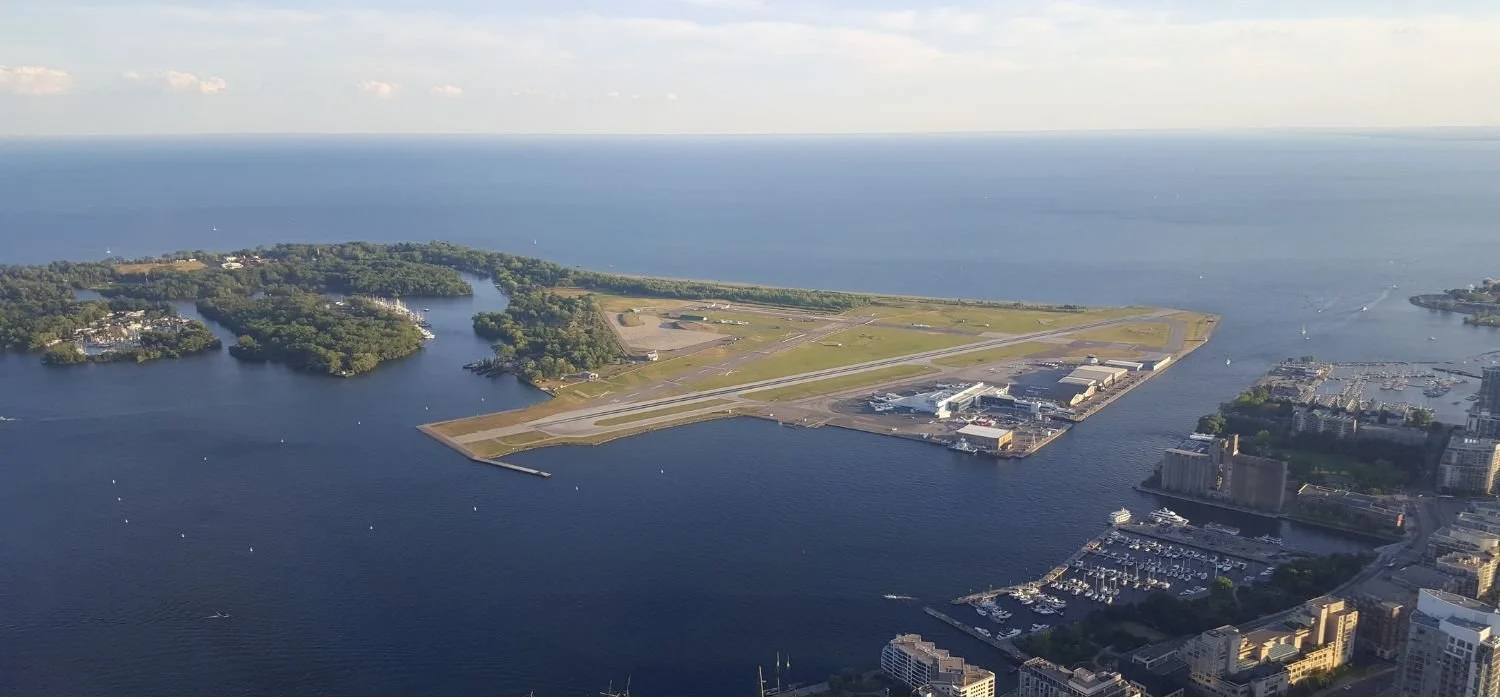
The Government of Canada has opened a public consultation on the future of Billy Bishop Toronto City Airport. The consultation runs from June 8 to July 24, 2026.
At this stage, Transport Canada has said that no final decision has been made. And the federal Port Authority has not released any plans yet. The consultation is intended to gather feedback from residents, Indigenous Peoples, local businesses, waterfront users, community groups, stakeholders, and others.
The consultation asks for input on several themes, including environmental impacts, noise, housing, transportation, urban planning, economic development, and social benefits.
The airport is governed by a Tripartite Agreement between the federal government, the City of Toronto, and Toronto Port Authority. This agreement currently restricts certain activities at the airport, including runway extensions and commercial jet use. Any major change to those rules would require changes to the agreement.
In May 2026, the Province of Ontario passed legislation that enables it to assume the City of Toronto’s role in that agreement and take ownership of certain City-owned airport and waterfront lands, including parks and the islands. This has added urgency to the conversation and made the current consultation an important moment for public input.
Why are people concerned?
Local environmental, health, and community organizations have raised concerns about what an expanded airport could mean for Toronto’s waterfront. These concerns are not about a single issue. They connect to the way the waterfront functions as a public, ecological, and social space.
Toronto’s waterfront is part of a much larger natural system. The Islands, harbour, ravines, beaches, wetlands, and nearby green spaces support birds, insects, fish, plants, and other wildlife.
Toronto also sits along important migratory routes. For birds crossing Lake Ontario, the city’s remaining natural spaces can be essential places to rest, feed, and recover.
Toronto Field Naturalists have raised concerns that airport expansion and increased jet traffic could affect environmentally significant areas across the waterfront, including the Toronto islands, Tommy Thompson Park, Cherry Beach, High Park, and the mouth of the Humber River.
These places are not empty land. They are living spaces. They are part of the city’s natural infrastructure. They are also spaces that people use in many ways.
It can be easy to look at Lake Ontario as scenery, as a blue edge at the bottom of the city. But the lake is much more than that. It is a source of drinking water, a habitat, a climate regulator, and part of one of the largest freshwater systems on Earth.
Any decision about shoreline infrastructure, airport operations, runway changes, or increased traffic deserves careful public attention because it affects more than one site. It affects the way the city relates to the water.
Groups including Environmental Defence, NoJetsT.O., Spacing Magazine, and the Canadian Association of Physicians for the Environment have raised concerns about the health and social impacts of possible jet expansion.
Those concerns include air pollution, noise, traffic congestion, and the effect of increased airport activity on nearby residents, workers, visitors, and people who use the waterfront.
Noise and air quality are not abstract issues. They affect daily life. They affect how people experience public space. They affect seniors, children, people with health conditions, and communities who may already face unequal access to clean, quiet, safe outdoor spaces. They affect the 18 million people who use the waterfront every year.
Large decisions about public land, water, transportation, and infrastructure should be made with transparency. People need access to clear information about environmental impacts, health considerations, land use, climate effects, public access, and long-term costs and benefits.
Transport Canada has said that the feedback gathered through this consultation will help inform future decisions. After the consultation closes, the federal government is expected to publish a “What We Heard” report summarizing the feedback received.
What can we do?
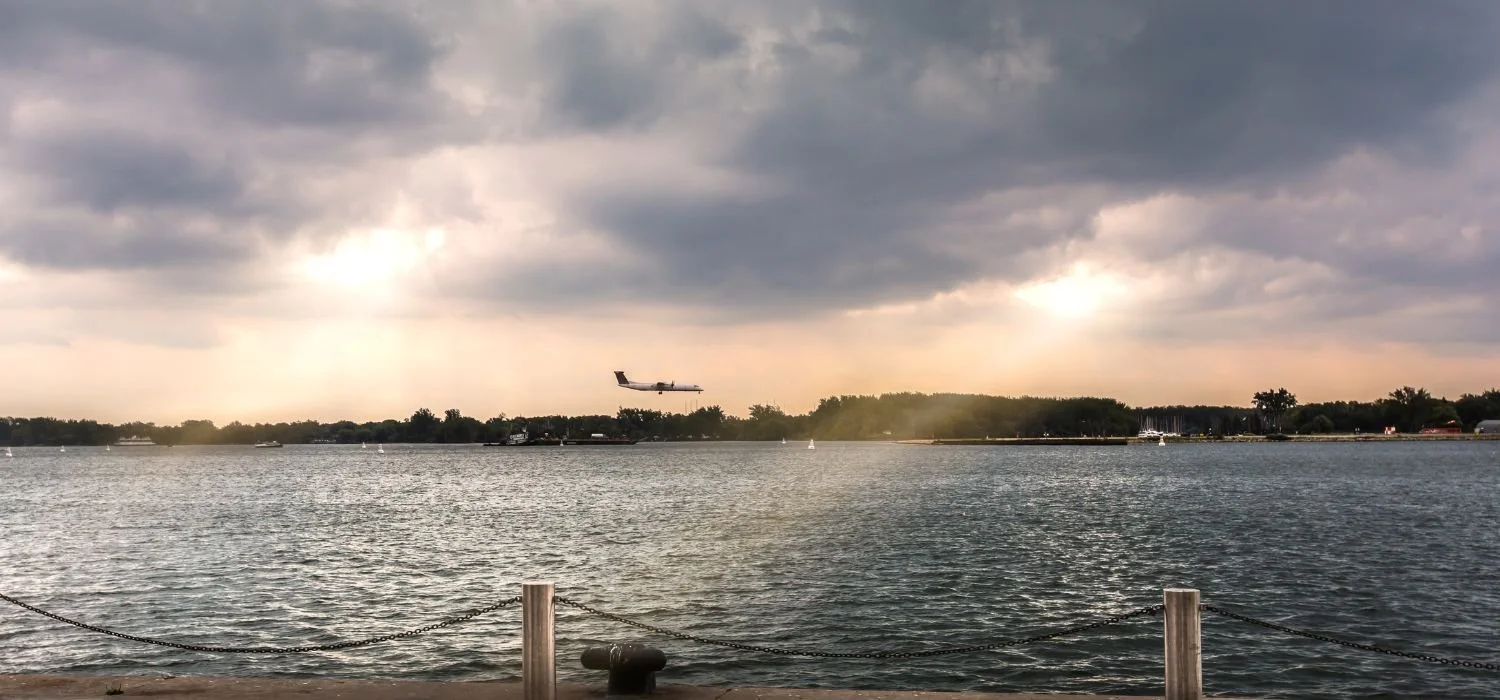
The current public consultation closes on July 24, 2026.
After that, Transport Canada will review the feedback and publish a summary report. Future steps could include more studies, proposals, agreement changes, environmental review, or additional public processes, depending on what governments and airport authorities decide.
Right now, the most immediate thing residents can do is participate in the consultation and encourage others to do the same.
If you care about the future of Toronto’s waterfront, there are several ways to take part.
Complete the federal consultation survey
The survey is open until July 24, 2026. You can share your thoughts on environmental impacts, noise, transportation, housing, public space, health, and the future of the waterfront. Consider a few ideas from Environmental Defense.
Send written comments to your MP
Written feedback gives you more room to explain your concerns, share personal experience, or point to research and community knowledge.
Learn from local organizations
Toronto Field Naturalists have shared information on nature and biodiversity concerns. Environmental Defence, NoJetsTO, and CAPE have shared resources on health, air quality, public space, and urban impacts.
Talk to your community
Many people may not know this consultation is happening. Sharing the information with neighbours, friends, family, local groups, waterfront users, and people across the province can help more voices be included.
Stay engaged after the survey closes
This issue will continue beyond the consultation deadline. Watch for the federal “What We Heard” report and future opportunities for public input.
The future of the Island Airport is a decision about more than flights. It is about how Toronto values its waterfront, its natural spaces, its communities, and its relationship to Lake Ontario.
It is about whether we see the lake as open space to build around, or as a living system we are responsible to protect and enjoy.